Home Healthcare Careers in India: Jobs, Salary, Skills & Future Scope (2026 Guide)
Introduction
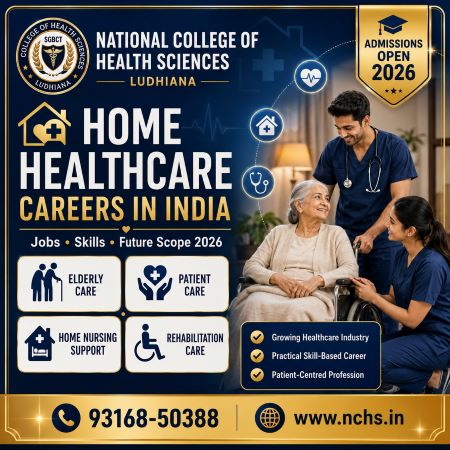
India's healthcare industry is evolving rapidly, and one of the fastest-growing segments is Home Healthcare. With an increasing elderly population, rising awareness about post-hospital recovery, chronic disease management, and personalized healthcare services, more families are choosing professional medical support in the comfort of their homes.
Home healthcare combines medical assistance, rehabilitation, nursing support, and daily patient care outside the traditional hospital environment. It allows patients to recover in familiar surroundings while receiving professional healthcare services tailored to their needs.
As the demand for home-based healthcare continues to grow, there is a rising need for trained healthcare professionals such as Patient Care Assistants (PCA), General Duty Assistants (GDA), Nursing Assistants, Home Healthcare Assistants, Physiotherapy Assistants, and other allied health professionals.
If you are looking for a practical and rewarding healthcare career, home healthcare offers excellent opportunities for skill development, professional growth, and meaningful service to society.
What is Home Healthcare?
Home healthcare refers to healthcare and supportive services provided to patients in their own homes under the guidance or supervision of qualified healthcare professionals, depending on the nature of the service.
These services may include:
• Personal patient care
• Elderly care
• Post-operative care
• Rehabilitation support
• Assistance with daily activities
• Mobility assistance
• Basic health monitoring
• Medication reminders (as directed by healthcare professionals)
• Support for patients with long-term illnesses
The goal of home healthcare is to improve the patient's quality of life while promoting comfort, independence, and continuity of care.
Why is Home Healthcare Growing in India?
Several factors are contributing to the rapid expansion of home healthcare services.
1. Increasing Elderly Population
India has a growing number of senior citizens who require assistance with daily living, mobility, rehabilitation, and long-term care.
Many families prefer trained healthcare professionals to support elderly family members at home.
2. Rising Chronic Diseases
Conditions such as diabetes, hypertension, stroke, arthritis, Parkinson's disease, and cancer often require long-term care and regular monitoring.
Home healthcare helps patients manage these conditions without frequent hospital visits.
3. Post-Surgery Recovery
Patients recovering from surgeries often need temporary assistance with:
• Personal care
• Mobility
• Wound care support (under medical guidance)
• Rehabilitation exercises
• Daily activities
Receiving care at home can improve comfort and reduce unnecessary hospital stays.
4. Technological Advancements
Portable medical devices, digital health records, telemedicine, and remote monitoring technologies have made home healthcare more accessible and efficient.
5. Patient Comfort
Many patients recover better in familiar surroundings with family support, making home healthcare an increasingly preferred option.
Who Can Build a Career in Home Healthcare?
Several healthcare professionals can work in home healthcare settings, depending on their qualifications and training.
These include:
• Patient Care Assistant (PCA)
• General Duty Assistant (GDA)
• Nursing Assistant
• Home Healthcare Assistant
• Physiotherapy Assistant
• Rehabilitation Assistant
• Elderly Care Assistant
• Community Healthcare Worker
Job responsibilities vary according to the employer, patient needs, and professional qualifications.
Roles and Responsibilities
Home healthcare professionals may assist with:
• Personal hygiene
• Bathing assistance
• Dressing assistance
• Feeding support
• Mobility support
• Wheelchair assistance
• Bed positioning
• Patient comfort
• Basic health observation
• Recording daily activities
• Emotional support
• Communication with family members
• Maintaining cleanliness
• Following infection prevention practices
They work within the limits of their training and under appropriate supervision where required.
Essential Skills for Home Healthcare Professionals
Employers value professionals who combine technical knowledge with compassionate care.
Important skills include:
• Communication
• Compassion
• Patience
• Professional ethics
• Observation skills
• Time management
• Infection prevention
• Teamwork
• Problem-solving
• Respect for patient dignity
• Emotional intelligence
Strong interpersonal skills are especially important because professionals often work closely with patients and families.
Where Can Home Healthcare Professionals Work?
Career opportunities may be available in:
Home Healthcare Agencies
Organizations that provide professional healthcare support at patients' homes.
Hospitals
Many hospitals operate home healthcare departments to support patients after discharge.
Rehabilitation Centres
Professionals assist patients recovering from surgeries, injuries, or neurological conditions.
Elderly Care Services
Senior citizens often require long-term personal care and healthcare support.
Community Healthcare Programmes
Healthcare workers provide services to patients in community settings.
Independent Home Care Services
Some experienced professionals may work with families through registered healthcare agencies or service providers, subject to applicable regulations.
Expected Salary in India
Salary depends on factors such as:
• Employer
• City
• Experience
• Qualifications
• Skills
• Nature of duties
• Working hours
Entry-level home healthcare professionals commonly earn around ₹12,000–₹25,000 per month, while experienced caregivers or specialized professionals may receive higher compensation. Actual salaries vary across organizations and regions.
Future Scope of Home Healthcare Careers
The future of home healthcare in India appears promising due to several long-term trends.
Growing Demand
Healthcare experts expect increasing demand for home-based patient support because of demographic changes and healthcare needs.
Expansion of Healthcare Services
Private healthcare providers are expanding home healthcare offerings in many cities.
Increasing Elderly Care Needs
The ageing population will continue to require professional assistance for long-term care.
Better Technology
Digital healthcare platforms, remote monitoring devices, and teleconsultation services are making home healthcare more efficient.
Greater Awareness
More families are recognizing the benefits of receiving appropriate healthcare support at home.
These developments are expected to create sustained opportunities for trained healthcare support professionals.
Career Growth Opportunities
With experience and additional education, professionals may progress to roles such as:
• Senior Patient Care Assistant
• Home Healthcare Supervisor
• Care Coordinator
• Rehabilitation Assistant
• Healthcare Support Executive
• Community Healthcare Coordinator
Many professionals also continue with advanced healthcare or allied health education to broaden their career options.
Is Home Healthcare a Good Career?
Home healthcare can be a fulfilling career for individuals who:
• Enjoy helping others
• Have compassion and patience
• Are comfortable working directly with patients
• Want practical healthcare experience
• Value meaningful community service
The profession requires responsibility, professionalism, and a patient-centred approach.
Frequently Asked Questions (FAQs)
What is a home healthcare career?
A home healthcare career involves providing healthcare support and assistance to patients in their homes, according to professional qualifications and employer responsibilities.
Can freshers work in home healthcare?
Many organizations recruit trained entry-level healthcare support professionals, depending on their qualifications, practical training, and organizational requirements.
Is home healthcare only for elderly patients?
No. Home healthcare services may also support post-operative patients, individuals with chronic illnesses, people recovering from injuries, and patients requiring rehabilitation or long-term care.
Is practical training important?
Yes. Practical training helps professionals develop confidence, patient handling skills, communication abilities, and understanding of real-life healthcare situations.
Conclusion
Home healthcare has become an important part of India's modern healthcare system. As more patients choose to receive care in the comfort of their homes, the demand for skilled and compassionate healthcare support professionals continues to grow.
For students interested in healthcare careers, home healthcare offers opportunities to develop practical skills, work closely with patients, and contribute to improving quality of life. By choosing quality training, gaining practical experience, maintaining professional ethics, and continuously upgrading their knowledge, healthcare professionals can build meaningful careers in this expanding field.
Disclaimer: Career opportunities, salary, course eligibility, training requirements, and job responsibilities vary depending on the employer, institution, patient needs, and applicable regulations. Completion of a healthcare course does not by itself guarantee employment or authorize independent medical practice. Healthcare professionals should always work within the scope of their education, training, and organizational policies.
****************************************************************************
For More Information.............
National College of Health Sciences
Mobile: +91-92176-03232, +91-93168-50388.
Email: nationalcollegeofhealthscience@gmail.com
24/7 Helpline No. 78726-78726